
Contact Us
To provide feedback on the Community Policing Dispatch, e-mail the editorial board at [email protected].
To obtain details on COPS Office programs, publications, and resources, contact the COPS Office Response Center at 800-421-6770 or [email protected]

U.S. Department of Justice
Office of Community Oriented Policing Services
Washington, DC 20530

Building a Future for Those Who Protect: How the Catawba Nation is Tackling Retirement Challenges for Tribal Law Enforcement
May 2026 | Volume 19 | Issue 3
Across Indian country, tribal law enforcement agencies face ongoing challenges with recruitment and retention. One of the most critical yet often overlooked barriers is the lack of access to retirement systems that are on par with those available to local, state, or federal officers. Unlike their counterparts in municipal, county, state, or federal service, tribal officers have historically been excluded from most law enforcement–specific retirement systems, leaving many with limited long-term financial security. This gap directly impacts on our ability to recruit and retain qualified officers committed to building long-term careers in tribal public safety.
When the Catawba Nation created our law enforcement department in 2022, our elected leaders recognized that without addressing retirement benefits, eventually we would begin to experience high turnover and limited candidate interest, particularly for lateral transfers with other existing systems. To address this challenge, we evaluated multiple retirement system models, including establishing our own self-funded internal retirement plan like the one created by the Quapaw Nation in the State of Oklahoma. Ultimately, we chose to pursue access to the South Carolina Public Employee Benefit Authority - Police Officers Retirement System (PORS). Our decision was rooted in a desire to provide parity with other law enforcement agencies in our region and to ensure that our officers would not be penalized for choosing to serve Indian country.
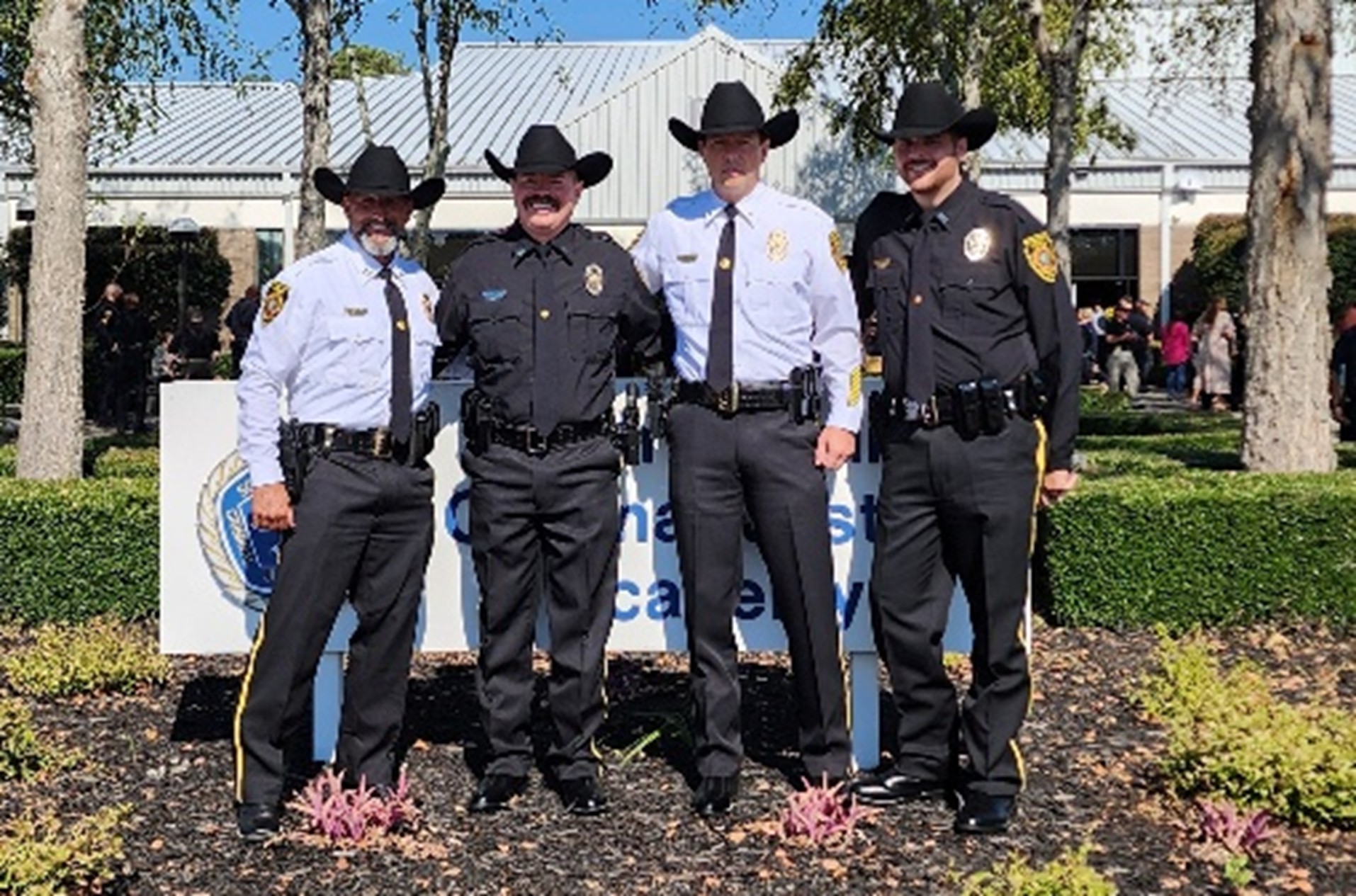
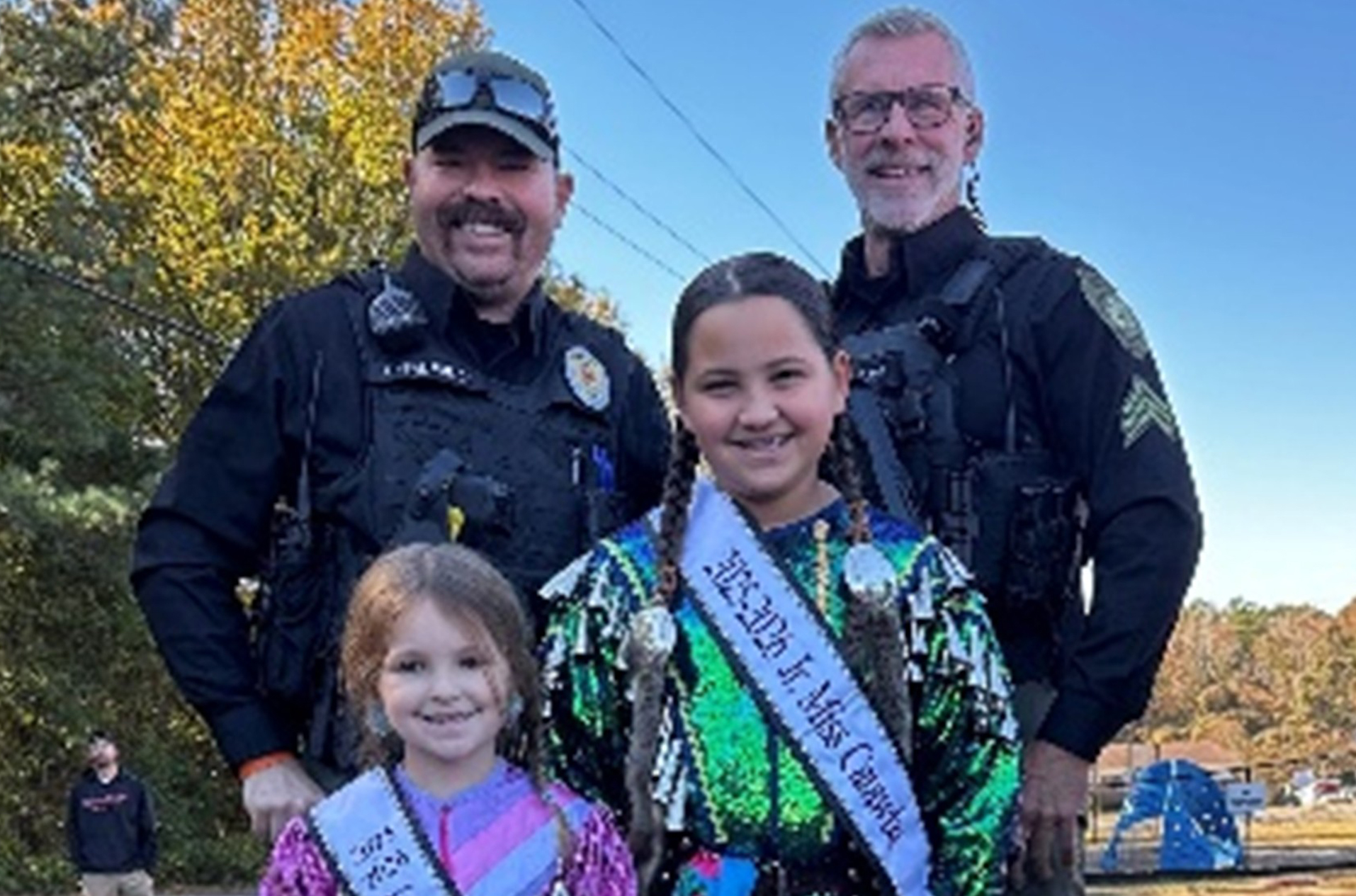
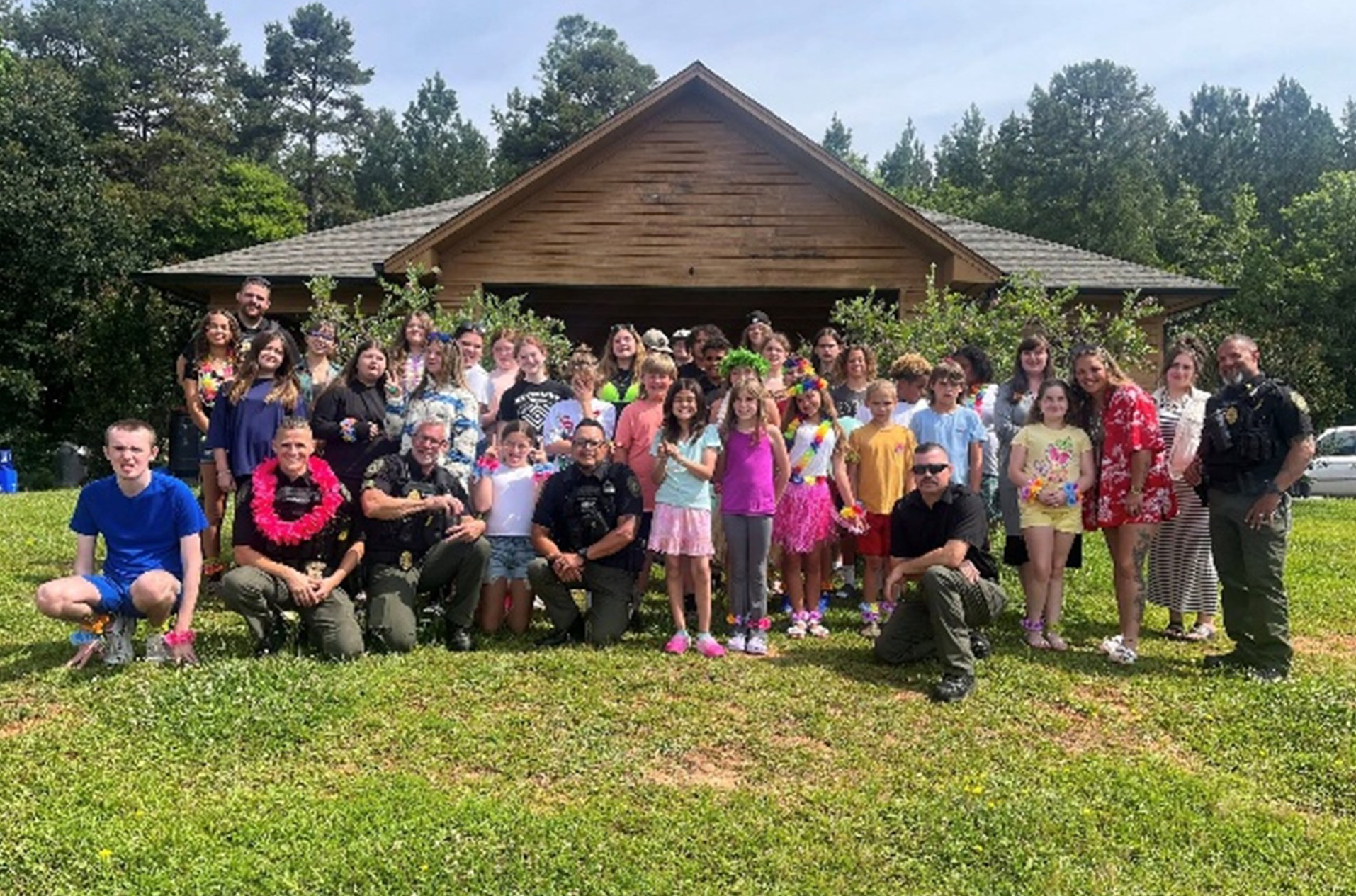
Getting access to the state retirement system was not a simple process. It required sustained advocacy and relationship-building at multiple levels, including with the South Carolina Public Employee Benefit Authority (PEBA), state legislators, and retirement system administrators. We had to demonstrate that our officers met or exceeded the state’s training and certification standards and that we maintained operational standards consistent with state-accredited departments. With the help of our elected tribal officials, financial advisors, legislative champions, and internal legal counsel, we built a comprehensive case for inclusion.
One of the biggest hurdles we faced was convincing outside agencies that this was not about creating an exception—it was about correcting an exclusion. We worked through jurisdictional questions, tribal sovereignty concerns, and system compatibility issues, all while ensuring that our officers would be treated equitably under the existing PORS structure. Transparency, persistence, and leveraging strong intergovernmental relationships were essential in navigating these challenges.
Now that we have access to the South Carolina Police Officers Retirement System, in January 2026 our officers will begin contributing and earning benefits in line with other state-certified law enforcement personnel. PORS offers a defined benefit pension plan with retirement eligibility after 27 years of service or at age 55 with at least eight years of credited service—benefits that previously were out of reach for tribal officers. This will make an immediate difference in how we recruit, paving the way for recruit and lateral officers to now consider Catawba Nation Police Department as a viable long-term home to pursue their policing profession.
We expect this system to significantly boost both officer retention and recruitment, aligning our compensation package with other law enforcement agencies and showing that service in tribal policing doesn’t mean sacrificing career security. More importantly, it demonstrates a broader commitment to our officers’ futures, which in turn strengthens public safety for our community.
For other tribes exploring similar retirement system solutions, our advice is simple: don’t settle for less. Whether pursuing adding to a state retirement system or creating your own, success begins with recognizing the value of your officers and building a coalition of allies to help make your case. Be ready to educate, advocate, and negotiate—but know that the long-term impact on your agency’s stability and morale will be worth the effort.
Shawn Butler
Chief Public Safety Officer
Catawba Nation
Images courtesy of the Catawba Nation.
Subscribe to Email Updates
To sign up for monthly updates or to access your subscriber preferences, please enter your email address in the Subscribe box.


Explore
Connect With Us
Want to stay connected with the COPS office?
Follow us on social media!


